 English
 Français
 Español
How Often to Clean the Die Head on a Film Blowing Machine? | TPLAST
Your film blowing machine is running smoothly, producing roll after roll of consistent film. But have you checked the die head lately? That thin layer of residue building up at the die lip might seem harmless—until it causes uneven film thickness, surface streaks, or even a bubble break that shuts down production.
The question “how often should I clean the die head” doesn’t have a single answer. Cleaning frequency depends on your material, production volume, and quality requirements. This guide provides a practical framework—from daily wipe-downs to quarterly deep cleans—so you can keep your die head in optimal condition without over-cleaning or under-maintaining.
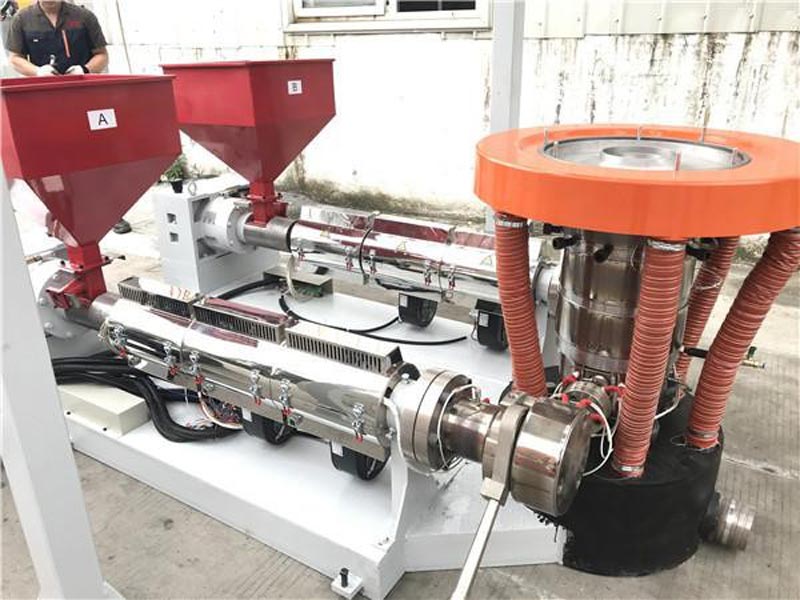
Why Die Head Cleaning Matters – More Than Just a Chore
The die head is where molten plastic exits the extruder and begins to form the bubble. It operates at high temperatures—often above 180°C—and is constantly exposed to polymer melt. Over time, degraded resin, additives, and contaminants accumulate on the die lip and internal flow channels.
What happens when you don’t clean regularly:
-
Uneven film thickness: Residue disrupts melt flow, causing gauge bands that make the film unusable for downstream applications.
-
Surface defects: Carbonized deposits create gel spots, streaks, and “fisheyes” that ruin film appearance.
-
Bubble instability: Buildup at the die lip causes the bubble to wobble or drift, increasing the risk of film breaks.
-
Increased scrap rates: Contaminated film cannot be sold—every meter of defective film is wasted material and lost production time.
For operations running high-value applications like food packaging or optical films, even minor contamination can render an entire roll unsalable. Regular cleaning is not optional—it is essential to product quality and production efficiency.
Understanding die head maintenance is just one part of keeping your film production line running efficiently. See our film blowing machine series for an overview of available configurations and maintenance-friendly design features.
The Three-Level Cleaning Schedule – Daily, Weekly, and Deep Clean
Most film blowing operations follow a tiered maintenance approach. The table below summarizes the three levels of die head cleaning.
| Cleaning Level | Frequency | Time Required | What It Involves |
|---|---|---|---|
| Daily cleaning | Every shift / every 8 hours of operation | 10–15 minutes | Die lip wipe-down, visual inspection, screw purge |
| Weekly/intermediate | Weekly | 30–60 minutes | Air ring cleaning, lubrication, component inspection |
| Deep cleaning | Every 200–300 operating hours or quarterly | 2–3 hours to full day | Full die disassembly, flow channel cleaning, seal inspection |
Daily Cleaning – The Non-Negotiable 10-Minute Routine
Daily cleaning is the most important maintenance task on any film blowing machine. It takes little time but prevents most quality issues.
Clean the die lip
Use a soft brass brush or copper scraper to remove resin buildup from the die lip. Never use hard steel tools that could scratch the die surface—scratches become collection points for future deposits.
Wipe with cleaning agent
Apply paraffin wax or methyl silicone oil to the die lip and spiral body, then gently wipe with fine abrasive cloth until the surface is clean. This removes stubborn residue without damaging the die.
Purge the screw
After each production run, purge residual plastic using a cleaning compound. Watch the pressure gauge and motor current—sudden changes may indicate blockages.
Visual inspection
Walk around the machine. Look for loose bolts, oil leaks, or damaged hoses. Check that all temperature readings on the control panel are within normal range.
End-of-shift cooldown
Turn on the cooling fan and wait for the temperature to drop before final shutdown. Clean the die and screw to prevent resin carbonization.
Why daily cleaning is essential: Melted plastic leaves residues inside the machine. If you don’t clean daily, residues harden into charred deposits that cause gel spots, streaks, and film defects. On smaller machines running at 2–10 kg/h output, even a fingernail-sized deposit can streak an entire production run.
Deep Cleaning – When and How to Do It Thoroughly
Even with diligent daily cleaning, residues eventually accumulate in areas that cannot be reached during routine wipe-downs—internal flow channels, spiral mandrels, and die gaps.
When to perform deep cleaning:
-
Every 200–300 operating hours for standard polyethylene film production
-
Every 100–150 hours when processing sensitive materials like PVC or EVA
-
After 50 hours of use for a new die head
-
Quarterly for continuous production enterprises operating over 5,000 hours annually
Deep cleaning procedure:
1. Stop and cool down – Shut down the machine and allow the die head to cool to a safe handling temperature. Never attempt to clean a hot die head.
2. Disassemble carefully – Follow the manufacturer’s instructions to disassemble the die assembly. Mark each component’s position to ensure correct reassembly.
3. Remove polymer buildup – Use appropriate methods based on residue severity:
-
Mechanical cleaning: Brass brushes, wooden or plastic scrapers for soft buildup
-
Chemical cleaning: Specialized mold cleaning agents; soak parts to dissolve residues
-
Ultrasonic cleaning: Effective for complex die structures; use 500–800W for 5–10 minutes
-
High-temperature pyrolysis: For severely contaminated dies, specialized vacuum pyrolysis systems can remove carbonized deposits without mechanical damage
4. Inspect and polish – Check the inner wall of flow channels for corrosion or scratches. Minor defects can be repaired with fine sandpaper; severe wear may require die lip replacement. Re-grind the die lip gap to within ±0.01mm accuracy to ensure film thickness tolerance of ≤±2%.
5. Reassemble and test – Reassemble with new seals and gaskets. Run at low speed initially, gradually bringing temperature up to operating levels.
Signs Your Die Head Needs Immediate Cleaning – Don’t Wait for the Schedule
Scheduled cleaning is a baseline—but real-world conditions often demand earlier intervention. Watch for these warning signals:
-
Energy consumption rises – If energy consumption per unit of output increases by more than 5%, residue buildup is likely restricting melt flow
-
Thickness variation increases – Film thickness tolerance exceeds acceptable limits
-
Surface defects appear – Streaks, gels, or fisheyes become visible on the film
-
Die pressure spikes – Unusual increases in die head pressure indicate flow restriction
-
Bubble instability – The bubble wobbles, drifts, or breaks more frequently than usual
When you see these signs, clean immediately—even if you’re not due for scheduled maintenance. The cost of downtime for unscheduled cleaning is far lower than the cost of producing defective film.
Special Considerations – Recycled Material and Frequent Material Changes
Processing recycled material significantly shortens cleaning intervals. Even high-quality recyclates contain impurities from their first life that form deposits faster than virgin material. According to Reifenhäuser, a leading blown film equipment manufacturer, die heads need to be cleaned more frequently when processing recyclate, which can be extremely costly in terms of downtime.
(https://youtu.be/FF6cXZMtdSw?si=eYsO0Ih1xGzXSZSq)
If your operation uses significant recyclate content, consider:
-
Reducing cleaning intervals by 30–50% compared to virgin material processing
-
Using special coatings on die heads that resist deposit formation
-
Installing larger or finer melt filters to remove more contaminants before the melt reaches the die
Frequent material or color changes also demand more frequent cleaning. When switching from one resin to another, or from dark to light colors, residual material in the die head can contaminate the next run. Purge the screw and die thoroughly during every material change.
For operations running recycled materials or frequent material changes, upstream film quality and material consistency directly affect die head maintenance needs. See how plastic recycling machine output quality impacts downstream film production.
Building a Die Head Maintenance Log – Track What Works
The most effective way to determine the optimal cleaning frequency for your specific operation is to track and analyze maintenance data.
What to record for each cleaning event:
-
Date and operating hours since last cleaning
-
Material being processed
-
Cleaning method used
-
Observations
-
Film quality before and after cleaning
Over time, this log will reveal patterns. You will learn which materials cause the fastest buildup, how long you can safely go between cleanings, and which cleaning methods work best for your specific die head design.
From Maintenance Guide to Equipment Selection
A well-maintained die head is the foundation of consistent film quality. But maintenance requirements vary significantly between die head designs—some are easier to clean, some have coatings that resist deposit formation, and some are designed for quick disassembly.
Once you have established your cleaning schedule and understand the maintenance demands of your current operation, comparing die head designs becomes the next logical step. Operations with frequent material changes may benefit from designs that enable faster cleaning; high-volume producers running consistent materials may prioritize wear resistance and longer intervals between deep cleans.
Related Reading
After establishing your die head cleaning schedule, these related articles can help you optimize your entire film production line:
-
Common Film Defects in Blown Film Production – Causes and Prevention
-
Film Blowing to Bag Making: Building an Integrated Production Line
-
How to Choose the Right Film Blowing Machine Configuration for Your Product Mix
-
Understanding ABA Co-extrusion vs. Single-layer Film Blowing
-
Troubleshooting Bubble Instability in Film Blowing
This article is part of TPLAST’s technical content library. No direct sales or pricing information is included. All technical discussions aim to help you make informed purchasing decisions.